From Pineapple Denim to Bio-Based Leather
From Pineapple Denim to Bio-Based Leather
How Zalando's Design Academy empowers young designers.
How Zalando's Design Academy empowers young designers.
Lack of access to the right materials often represents the greatest barrier to more sustainable fashion. New textile technologies are constantly being developed, but their high cost typically puts them out of reach for independent designers and young labels. To address this issue, Zalando and VORN - the Berlin Fashion Hub partnered to offer ten designers access to the industry's most cutting-edge resources through the fourth Design Academy.
High-tech materials for smaller labels and emerging designers
The NOVA programme's objective was to demonstrate that ecological standards and high-end aesthetics are not mutually exclusive - on the contrary, they belong together. To achieve this, finalists received four months of practical experience, working with materials usually only accessible to major industry players. The Design Academy equipped designers with the necessary skills - including lessons in 3D design and circular value chains - to create durable clothing designed to remain in the fashion loop.
The designers worked with:
- Pineapple denim and bio-based leather alternatives.
- Recycled textiles from innovation leaders like Circ and Circulose.
- Local raw materials, including 100% German virgin wool.
Putting the concepts in the spotlight
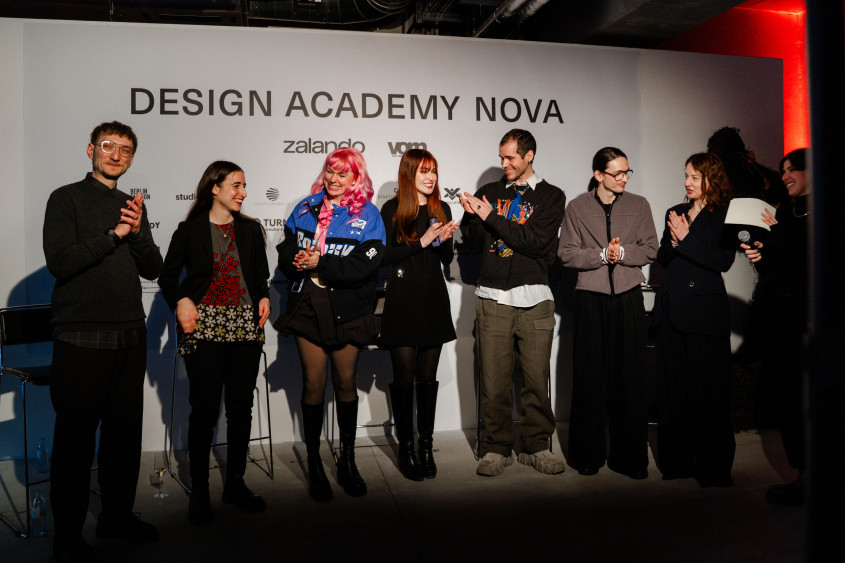
The final showcase, held during Berlin Fashion Week, featured the works of finalists chosen from a cohort of nearly 100 supported European designers who transformed technical limitations into creative triumphs, demonstrating their innovative approaches. Over 150 invitation-only guests attended, listening to an inspiring panel discussion on the transformative potential of innovative materials. The message was loud and clear: sustainability and style are defining the future of fashion.

“By experimenting with next-gen textiles, which are often tricky for smaller labels to access, our finalists proved that you don't have to sacrifice style to be sustainable,” says Lara Gesche, Zalando’s Social Impact leader. “Now, onwards! I’m happy to announce that for our next edition, we’ll focus on a tough nut to crack: sizing!”
What’s next?
The next Design Academy is moving from fiber to fit. The class of 2026 will explore how digital tools and new cutting techniques can end the "size guessing game" – helping to reduce returns and make the industry more efficient.