How Zalando uses technology to help customers find the right size
How Zalando uses technology to help customers find the right size
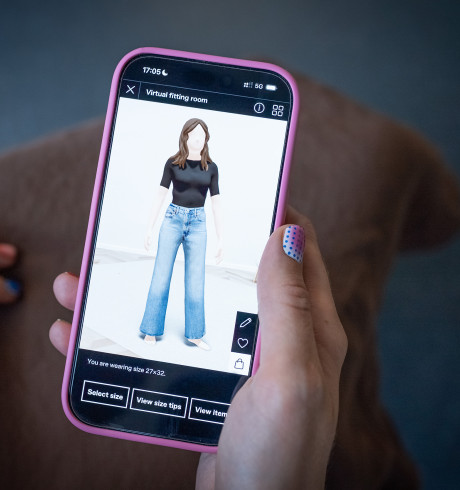
How many times have you ordered an item in your usual size, only to discover that it does not fit as expected?
A size “L” or “48” can mean something different depending on the brand, category, cut or market. Two garments carrying the same size label may have very different measurements. At the same time, every customer has a different body shape and their own preference for how clothing should fit.
This makes size and fit one of online fashion’s most complex problems. In European online fashion, return rates can reach around 50%, with size and fit accounting for up to half of those returns. In categories such as jeans, return rates can reach 65%.
Zalando is the only e-commerce platform providing a comprehensive portfolio of size and fit solutions at scale and has been working on this challenge since 2018. Today, an in-house team of 80 specialists combines fashion expertise with machine learning, AI, computer vision and 3D technology. Together, they have developed an exhaustive portfolio of solutions and products for customers, brands and Zalando’s internal teams; acknowledging there’s no one-size-fits-all solution when it comes to sizing. In 2025, these solutions prevented 8% of size-related returns overall.
Building a holistic system for size and fit
The roots of the problem go back centuries. Garments were traditionally made through a direct exchange between the tailor and the person wearing them. Industrial production made fashion accessible at scale, but much of that direct feedback disappeared along the way.
Technology makes it possible to rebuild that feedback loop. By bringing together information about garments, customer preferences, body measurements and fit feedback, Zalando can provide more relevant advice and identify where sizing problems occur.
The approach is layered. Zalando first built the systems needed to understand how products fit across brands and categories, using machine learning to combine product data, customer feedback and return patterns. The next step adds more information about the individual customer, including body measurements and fit preferences, to make size advice more personal. Finally, Zalando brings the product and customer together visually, bringing the fitting room online through Virtual Fitting Room.
Building the foundations of sizing
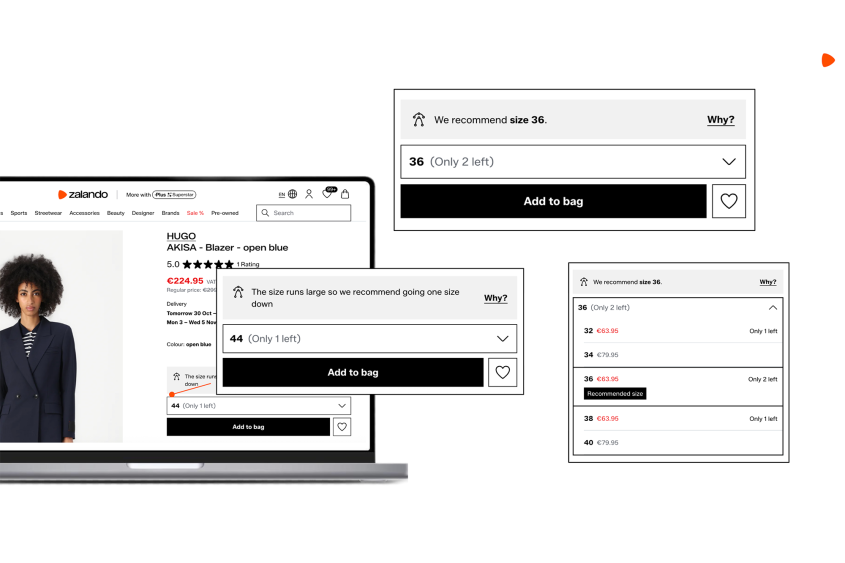
Zalando started working on Size & Fit in 2018, using machine learning to understand how products fit across different brands and categories. This became the basis for the size flags and recommendations customers see on product pages. Size flags indicate when an item is likely to run smaller or larger than expected. Size recommendations suggest the size most likely to fit a customer.
These recommendations draw on several data points, including information provided by brands, purchase and return behaviour, customer fit feedback and insights from Zalando’s fitting models. These are trained specialists who try on products and identify potential sizing issues before they affect more customers.
Today, Zalando’s foundational size and fit solutions cover around 70% of the assortment.
The insights also flow back to brands. Zalando can provide information about returns within their categories, helping them understand whether size and fit is a recurring issue and how specific products or collections are performing.
Making fit more personal
Product-level guidance becomes more precise when Zalando also understands the customer’s body, usual sizes and fit preferences. This is where the Size Profile and Body Measurement tool come in.
Through the Size Profile, customers can share which brands and products fit them well, including items purchased outside Zalando, and provide feedback on previous orders. When Zalando understands a customer’s usual sizes and preferred fit, we can help them filter the assortment and surface products that are more likely to fit them.
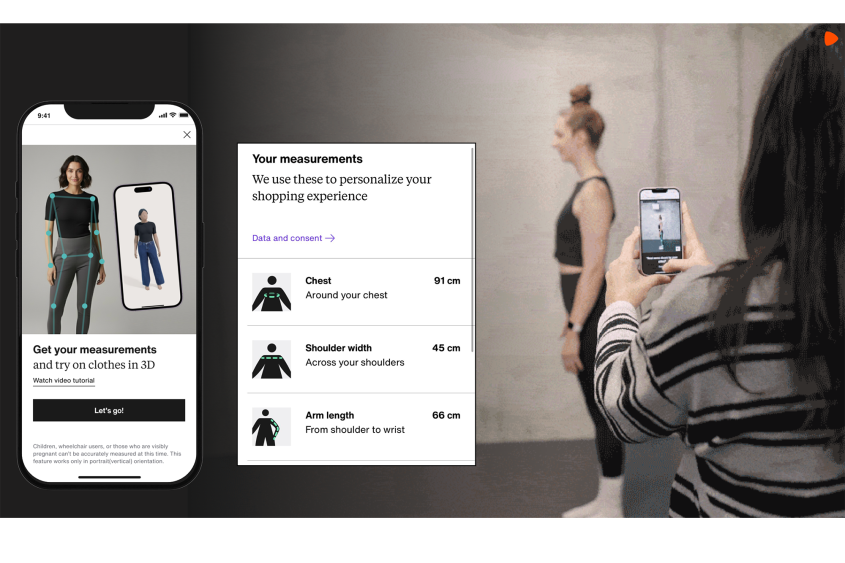
The Body Measurement tool captures body measurements through two photos or a video taken on a phone. These measurements give Zalando’s algorithms a clearer picture of the customer’s body shape and enable more personalised advice. More than 1.5 million customers have already tried the experience, and the number continues to grow.
Zalando has built the largest anonymised dataset of body measurements from European fashion customers. These insights are now integrated into size charts, allowing customers to compare their own measurements with product information and choose a size based on how they want an item to fit. This is particularly useful for customers who prefer a looser, oversized or slimmer fit.
Bringing the fitting room online
Once Zalando understands both the product and the customer, it can bring the two together visually.
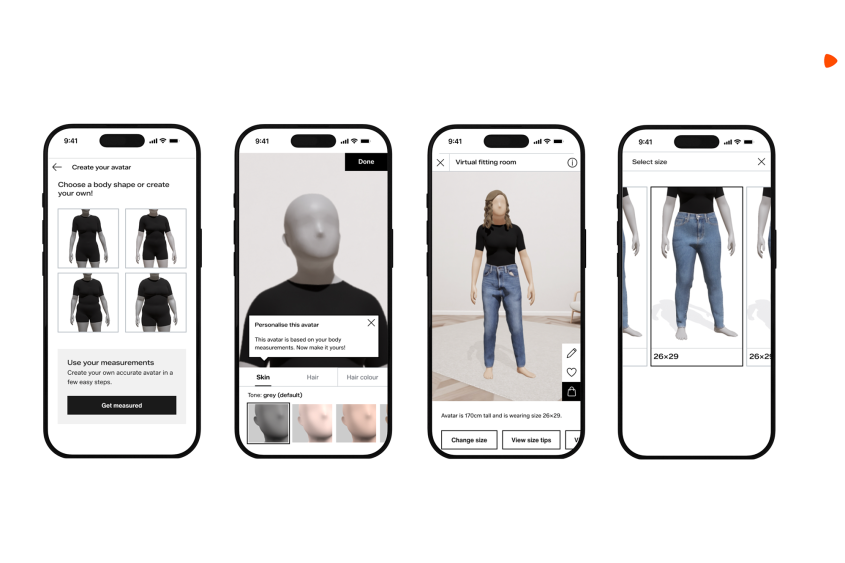
Zalando’s Virtual Fitting Room uses body measurements to create a 3D avatar, helping customers compare how different sizes of the same item could look on their body shape.
This is especially relevant for jeans. A single style can be available in more than 30 size combinations, while differences in waist, hip, leg shape and length make the category particularly difficult to navigate online. Around 21% of Zalando customers buy jeans each year, and the category also has some of the highest size-related return rates.
In recent Virtual Fitting Room pilots, Zalando reduced return rates by up to 40%. Following several successful tests, Zalando is moving from temporary pilots towards a permanent experience at scale. The goal this year is to roll it out to all customers and expand the available assortment, while working to achieve a similar impact at scale.
Connecting customers, technology and brands
The immediate goal is simple: help customers choose the right size with more confidence and reduce avoidable returns. Fewer returns can also mean fewer unnecessary shipments and the associated CO₂ emissions.
The broader opportunity is to create a better feedback loop across the industry. Fit data can show where products repeatedly cause problems, help brands understand how their sizing performs across different body shapes, and support better product decisions over time.
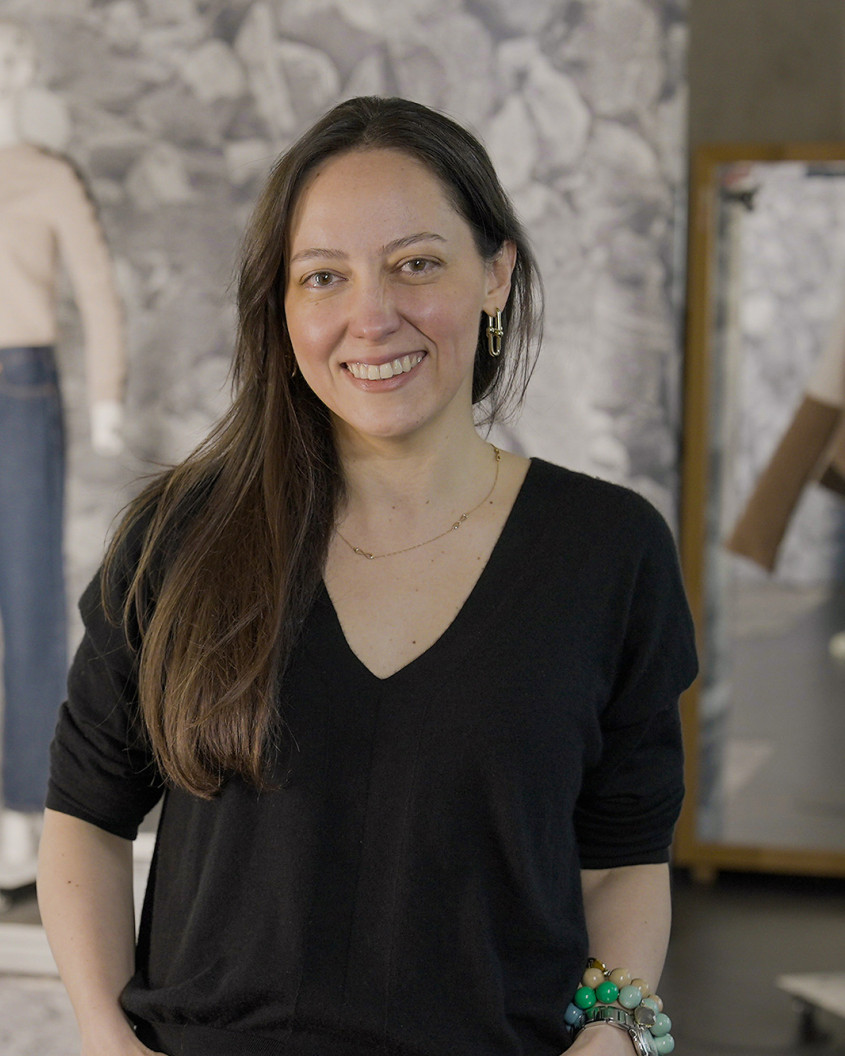
“Our ambition is to help online shoppers find the right fit for the first time — wherever and however they shop. We are building towards a digital tailor for online fashion that combines our understanding of products with each customer’s unique measurements and fit preferences. This can help people find what fits them best and, over time, give brands better insight into the products their customers need and want.”
Pelin Anli Bedirhanoglu, Director of Size & Fit at Zalando
Zalando is working towards a shopping experience where fit becomes a natural part of the journey. For customers, that means greater confidence. For brands, better insight. And for the industry, fewer avoidable returns, shipments and sizing issues.