In conversation with the Zalando Visionary Award jury
In conversation with the Zalando Visionary Award jury
“In Conversation With the Zalando Visionary Award Jury” offers insight into the perspectives of this year's jury - from their views on the winning brand, to the award and the wider industry landscape.
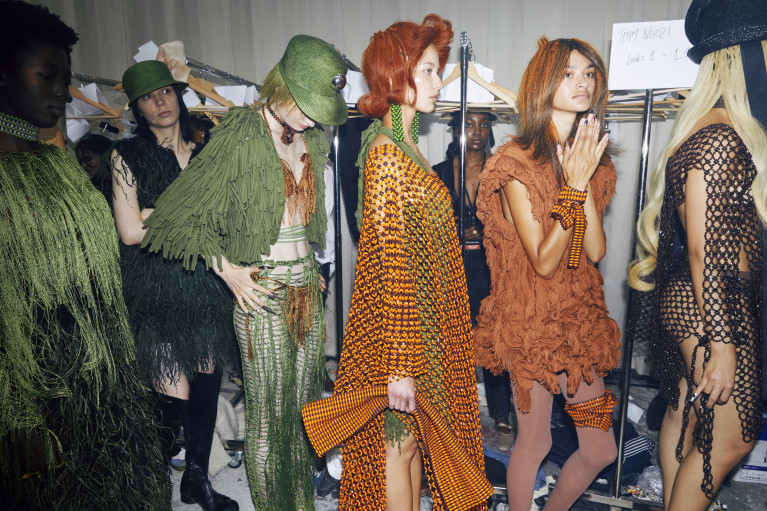
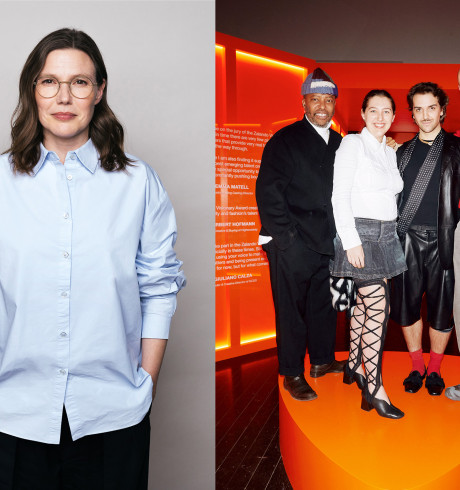
This candid Q&A brings together leading industry voices - Edward Buchanan, Giuliano Calza, Herbert Hofmann, and Emma Matell - for a conversation on what it truly means to be “visionary” in fashion today, reflecting on the defining moments and shared values that led to the selection of IAMISIGO as this year’s Zalando Visionary Award winner.
Joining them is Sara Spännar, Zalando’s VP Global Marketing, who shares the platform’s broader mission: not just to celebrate talent, but to spotlight those reshaping fashion through social impact, innovation, and design. Together, the jury explores the urgent shifts the industry needs - and their hopes for a more creative, inclusive, and conscious future.
Q1. You’ve each judged awards before, but what made you say yes to this one? What felt different about the Zalando Visionary Award?
Giuliano:
I’ve been in this business for 10 years and always felt like the youngest in the room. I started feeling a bit removed from the new generation, and I found it incredible to be close to these young, incredible artists and designers. It’s an experience no one else could offer me. The Zalando Visionary Award, to me, stands for what’s new and what’s to come. It’s also about learning from the new generation. I loved working with people from different places in the world—it’s helped me step outside my own bubble.
Herbert:
I completely agree. I’m in my own taste and business bubble, and this challenges me. I love being around people who know more about fashion history and can see beyond what I usually see. This has been such a learning experience. We also had deep discussions this year about what the word “visionary” means for Zalando, the award, and the winner. I’ve judged many other awards, but this one has felt particularly interesting because of those conversations.
Sara:
I’ve actually been heavily involved in shaping the award itself—highlighting visionary thinking, innovation, and diversity. Zalando has a different position in the industry than designers, but we’re very much part of the fashion world and we see our role as being an enabler. That’s why we started this—to give designers a platform and a stage. We can see the increasing interest, and we want to keep building on that momentum.
Edward:
I've judged many awards and sat on a lot of panels, but this one stood out because of its emphasis on innovation — not just design for today's market, but real creative risk. Most awards honour good design, but this one asked: what does innovation mean in fashion today? It centred creativity, social impact, and new ways of thinking. That felt novel and necessary.
Q2. Has being part of this jury changed how you see your own work, or what you consider “visionary” in fashion right now?
Emma:
Yes, I think so. Many of the designers involved feel like my peers—people I know or know of, and I’ve followed their journeys. They’re constantly pushing new directions. My work is about inclusivity in casting and how brands present themselves, and I find it really inspiring that the brands in this award genuinely embody diversity and inclusion both inside and outside the brand. It’s not necessarily changed how I work, but it’s definitely inspired me. It’s so important to surround yourself with people and communities that push you to do more. The brands we’ve seen in this award are doing really important work on both the inside and outside.
Edward:
For me, “visionary” has always required risk. Not just aesthetic risk, but challenging systems — doing things differently even when it might slow you down or make things harder. Watching these designers work outside the traditional fashion structures reminded me that vision is also about belief — holding onto your identity and building something consistent, honest and purposeful, even when it doesn’t follow the rules.
Giuliano part:
The world is full of products right now—you can find three versions of anything in a second. Vision has to be about the future—about creating a full-circle moment where materials and production are approached in a way that’s responsible and respectful to both our communities and the environment. That’s my biggest hope for what visionary can mean.
Q3. When you're in the room debating who to award, what are the conversations that get really passionate? Where do you disagree?
Herbert:
What’s interesting is that even though we come from very different backgrounds and tastes, we usually agree on the top three brands. I always ask, “Who would this award really change things for?” Who would benefit the most? All three finalists this year were strong, and while I initially leaned in a different direction, the discussion among the jury was thoughtful and emotive — and ultimately led us to a shared decision we all felt proud of.
Giuliano:
Fashion sometimes makes you feel like you can’t make change, but these brands offer refreshing ideas that prove otherwise. Bubu’s approach to sourcing natural materials from across Africa gave me so much hope. I’ve tried similar things before but found the logistics impossible. I really hope we can help these kinds of ideas succeed.
Edward:
The real passion comes when we talk about what the future of fashion should look like, and who gets to shape it. We talk about inclusivity from the inside out, and how often the industry defaults to the same kinds of people at the top. This award gave space to voices we don’t always hear, and that sparked serious conversation, not just about creativity, but about power and representation in the industry.
Q4. Do you remember the exact moment you knew IAMISIGO should win? What was the tipping point?
Emma:
There were three incredible finalists who all deserved the award, and I had moments of being drawn to all of them. But when I saw Bubu’s materials and the construction of her garments up close, I thought, "Okay, this is it." There was such a strong point of view. From the very beginning, even when reviewing the initial applications, their work stood out. I remember thinking, "Why don’t I know them already? They’re incredible."
Sara:
All three finalists were super strong, but Bubu brought an especially unique perspective. She brought something genuinely new, and that became clear towards the end of the process. It wasn’t just about what was well-made; it was about her unique vision and what she was offering to the fashion world.
Giuliano:
What really stood out to me was that Zalando recognised a designer whose work is deeply meaningful and rooted in strong values. It showed a real commitment to championing vision — not just what’s trending or commercially obvious.
Sara:
It’s important to weigh in the commercial perspective, but this award isn’t just about what will sell easily—it’s about showing alternative perspectives in fashion. It felt important to spotlight a voice that challenges the norm in a meaningful way.
Q5. During the Zalando Visionary Award showcase in January, Bubu demonstrated an approach that is personal, spiritual, and pan-African. Was there a moment—a look, a reference, a feeling—that stayed with you?
Giuliano:
I remember talking to Bubu about a beautiful crochet piece made from fabric that’s carved from the surface of a tree—the tree doesn’t get harmed. It was almost magical to hear about that process. It felt like something out of the Avatar movie. It really inspired me and made me think about how we can elevate these voices that are doing something truly special and meaningful.
Edward:
Absolutely. For Bubu, sustainability isn’t a buzzword, it’s just a way of life. When she spoke about her materials, the depth of her knowledge was incredible. She knew where everything came from and why it mattered. That honesty and craft is visionary in itself. It felt like watching someone lead a conversation that many in fashion are only just beginning to have.
Q6. The award is called “Visionary”. What does that actually mean to you right now — and what does fashion most urgently need vision for?
Giuliano:
I think it comes back to what we were just talking about—being genuinely yourself and staying true to your own vision. A lot of people don’t get accepted for doing things outside the norm, and that can make them afraid to show their true colours. I’d rather see brands that fully commit to their own stories, even if they’re not ticking every box.
Emma:
The hunger for purity and undistorted vision is really strong right now, especially for younger generations. They want work that isn’t shaped by external pressures but is truly authentic. That’s what makes Bubu’s work so exciting.
Giuliano:
People are really searching for one-of-a-kind pieces now, and I think that’s because we’ve been overloaded with mass-produced trends. I made a shoe with Dracula teeth that people laughed at, but I believed in it, and it became a bestseller. That’s what makes me different.
Q7. There’s a lot of talk about “new systems”—local voices, slow fashion, digital tools. What shift feels most urgent to you right now — and which one do you think is getting overlooked?
Giuliano:
There’s a growing sense of guilt in the system. Creatives are being pushed to sell more and appeal to more people, and in the process, they lose their individuality. People are craving niches and weirdness, but the system forces everything to become mass appeal.
Herbert:
The industry doesn’t give new ideas enough time to breathe. Great products need time to be understood—they shouldn’t just be put on sale immediately if they don’t instantly succeed. I saw this recently with Dries Van Noten’s final show—it reminded me that fashion can still genuinely move people if it’s given the space to do so.
Giuliano:
The ‘globalisation of beauty’ has made everything look the same—everybody dresses the same, eats the same, wants the same. Trends like minimalism, white t-shirts, specific shoes—everyone is chasing the same aesthetic and forgetting their own individuality.
Herbert:
Even I’ve found myself struggling to get dressed because I don’t want to align with any of these over-saturated trends—whether it’s the Solomons, the loafers, or the basics. It’s hard to feel individual now.
Giuliano:
The pressure to grow a brand endlessly is killing creativity. People need to be allowed to build small, sustainable communities around their work rather than feeling they must become the next big trend.
Edward:
The biggest issue is power and who holds it, and who gets to decide what’s valid in fashion. We keep talking about change, but if the same people are at the top, nothing really shifts. Our industry lacks substantial support for creatives from disadvantaged communities - the Black and Brown voices, the women. We need to promote more diverse perspectives, and support people building their own systems outside the mainstream. That's where true progress lies.
Q8. Inclusion is one of the most talked-about topics in fashion right now. But what does genuine progress actually look like now?
Emma:
Right now, we’re seeing a huge regression. A few years ago, there was a real push for inclusion in casting, sizing, and representation—but now, the model agencies are sending me the same type of girl, and clients are asking for the same. It’s like all that progress has evaporated.
Emma:
Real inclusion comes from who’s in power—who’s making the clothes, who’s funding the projects. It has to be authentic, not performative. It has to start from inside the brand and ripple out. It’s not enough to avoid cancellation for a season and then revert back.
Sara:
That’s why this award matters—we need to keep pushing initiatives that spotlight different perspectives. The fashion industry often defaults to what they think the customer wants, but we actually see positive responses from customers when we challenge the norm and show more diverse work.
Emma:
When you do shows like Sinéad’s — Sinéad O’Dwyer, last year’s Zalando Visionary Award winner — there’s always incredible feedback from people who feel seen. But, it’s still so hard to push those ideas forward in the broader system. It’s often younger brands who lead this, and they need to be caught and supported to keep going.
Edward:
We can’t talk about moving into the future if we don’t start to see more women promoted in design, and more women’s ideas and characteristics reflected. Diversity has to start from the inside out—not just images, but who holds the power.
Q9. If you had to describe this year’s winner in one word, what would it be?
Sara:
Genuine. Bubu is so true to herself. That’s what really stands out—her authenticity in a world full of trends.
Giuliano:
She’s not following trends—she’s doing what’s meaningful to her. Even if her story doesn’t resonate with everyone, she’s staying true to it.
Emma:
Authentic. The authenticity of her work is what makes it so important and powerful. I’m going to be working on casting for her upcoming show, and I’m excited to see how her vision unfolds in a challenging environment like Copenhagen.
Herbert:
Global. The research Bubu is doing is deeply rooted in her own perspective, but it’s also connected to a wider world. She’s travelled, compared techniques, and brought those influences into her work with a cultural and educational depth that’s really powerful.
Edward:
Legendary. It doesn’t happen often that a platform offers a clear and honest space for a Black woman — and not because she ticks a box, but because her creativity truly deserves it. That’s legendary.
Reaad more